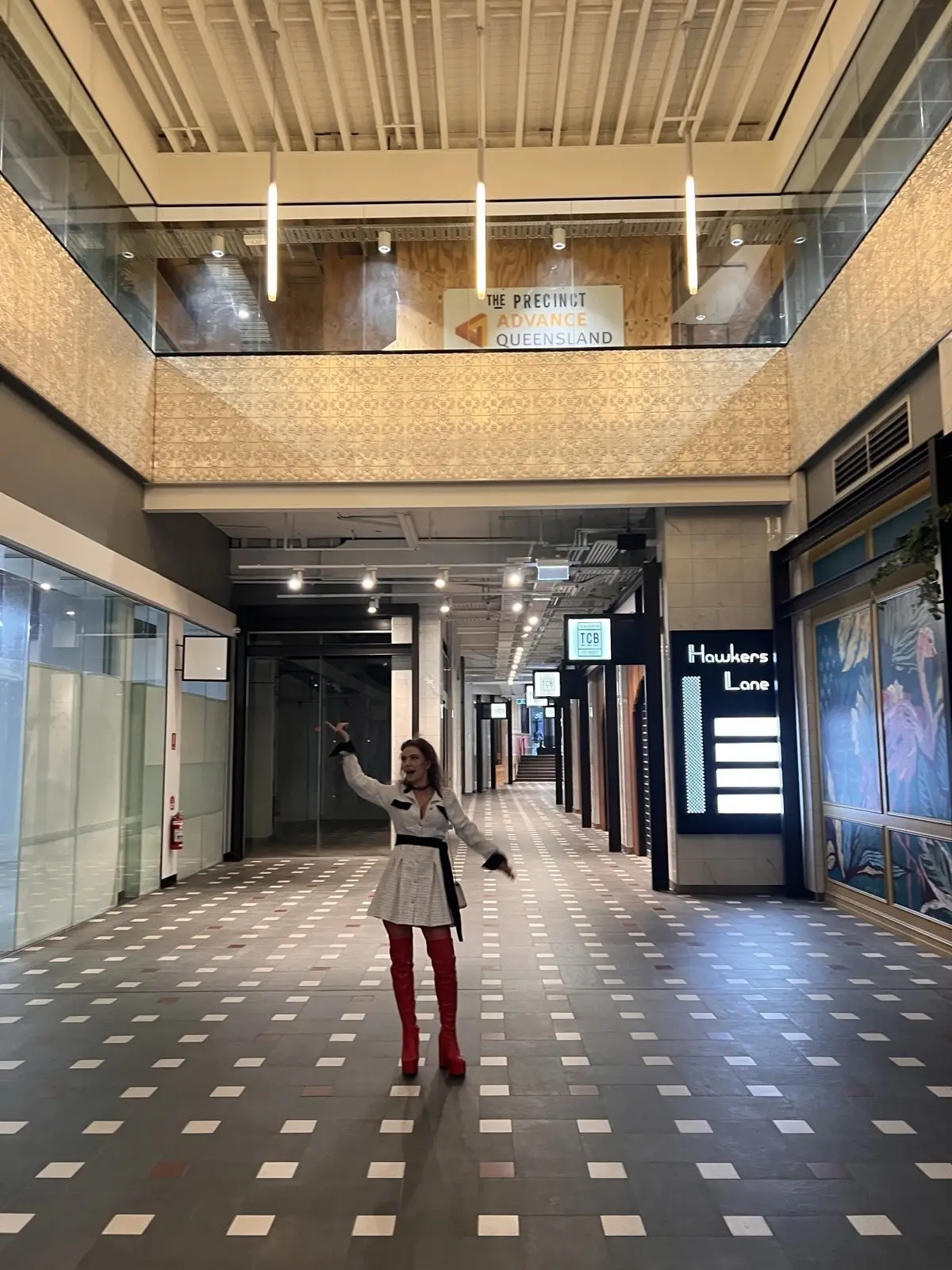
About
I build from what my own life needs.
A camera after an accident. A learning platform for my own family. A seizure tracker for my own brain. Here’s how one led to the next.
-
A new plan
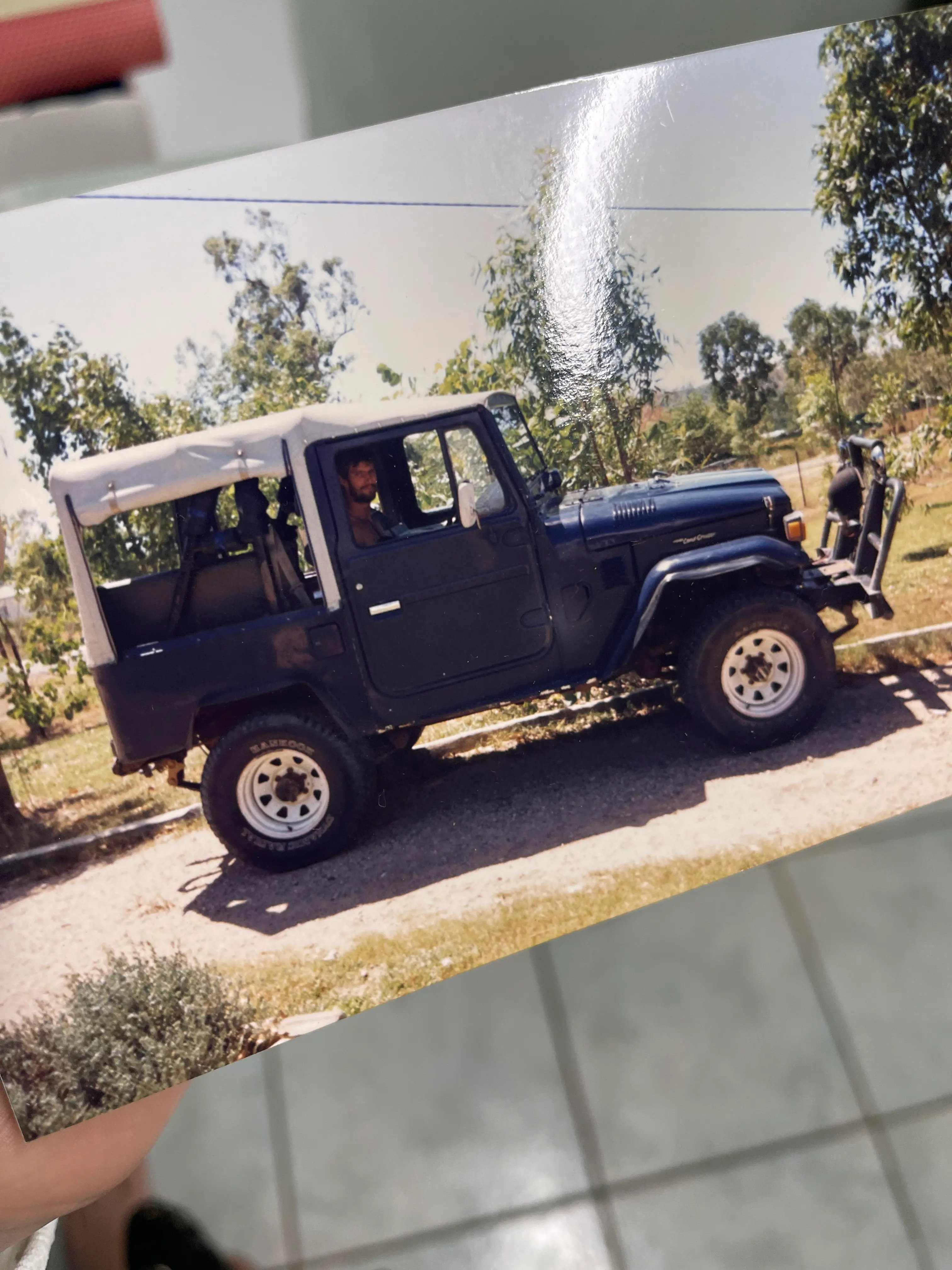
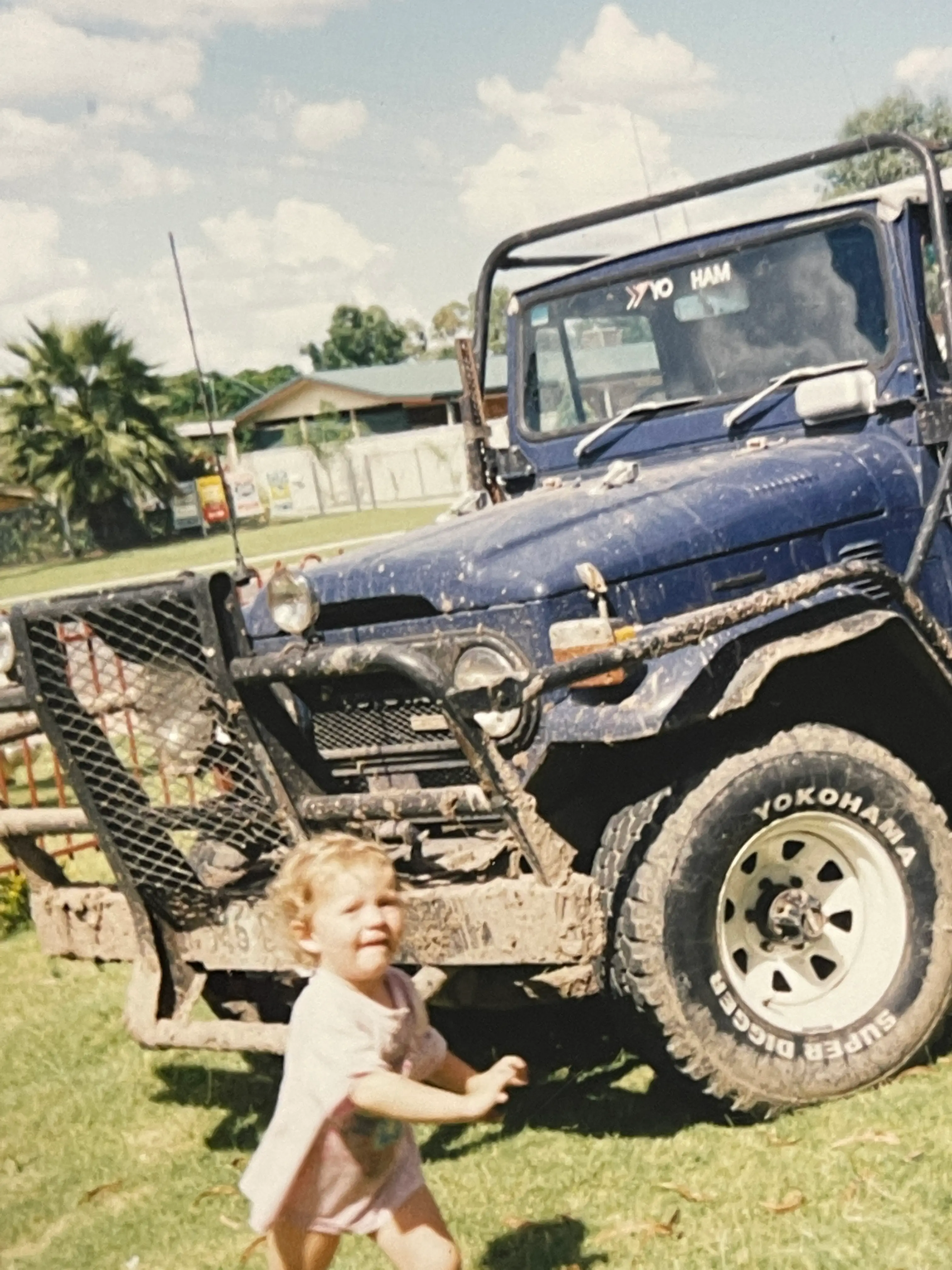
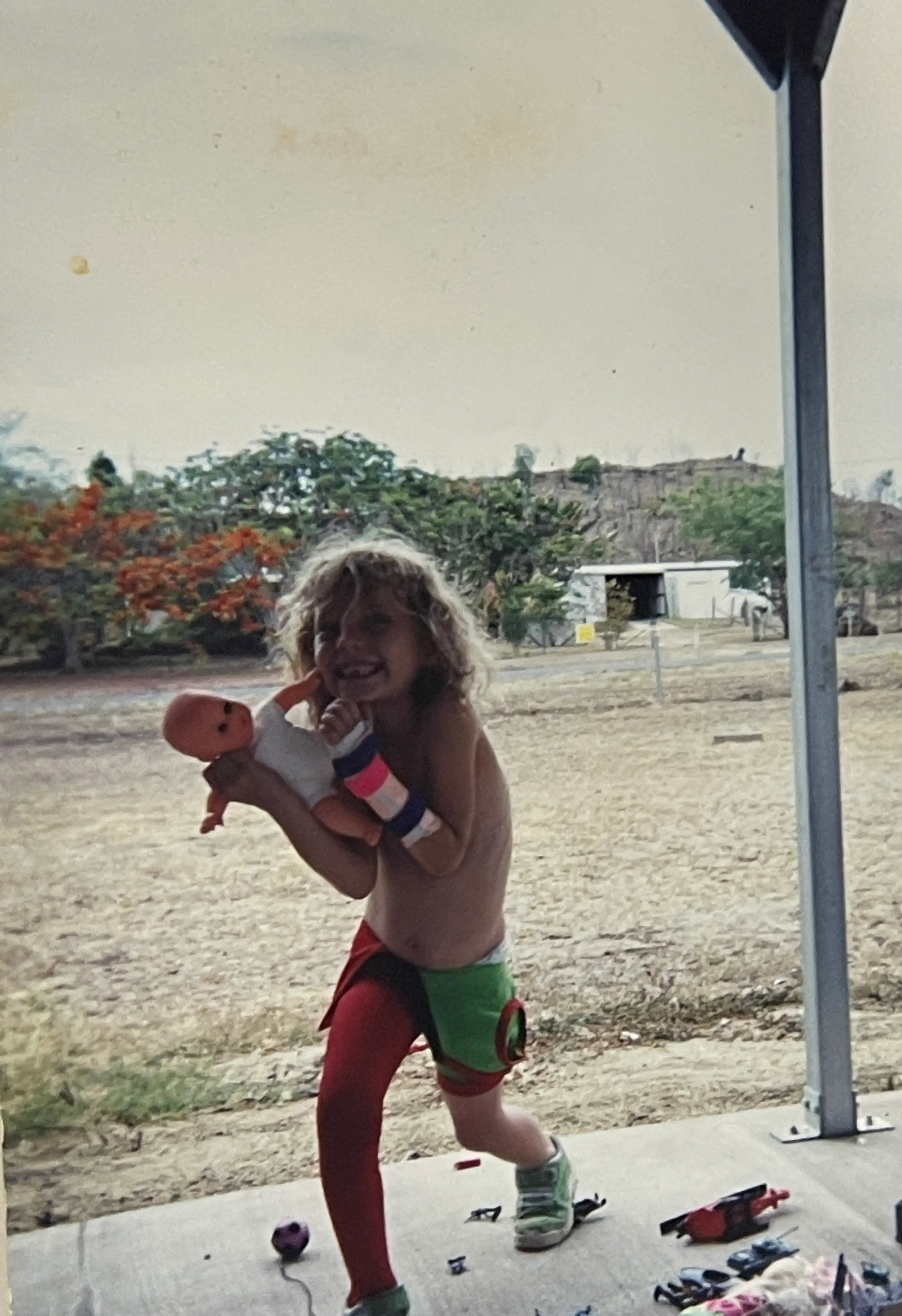
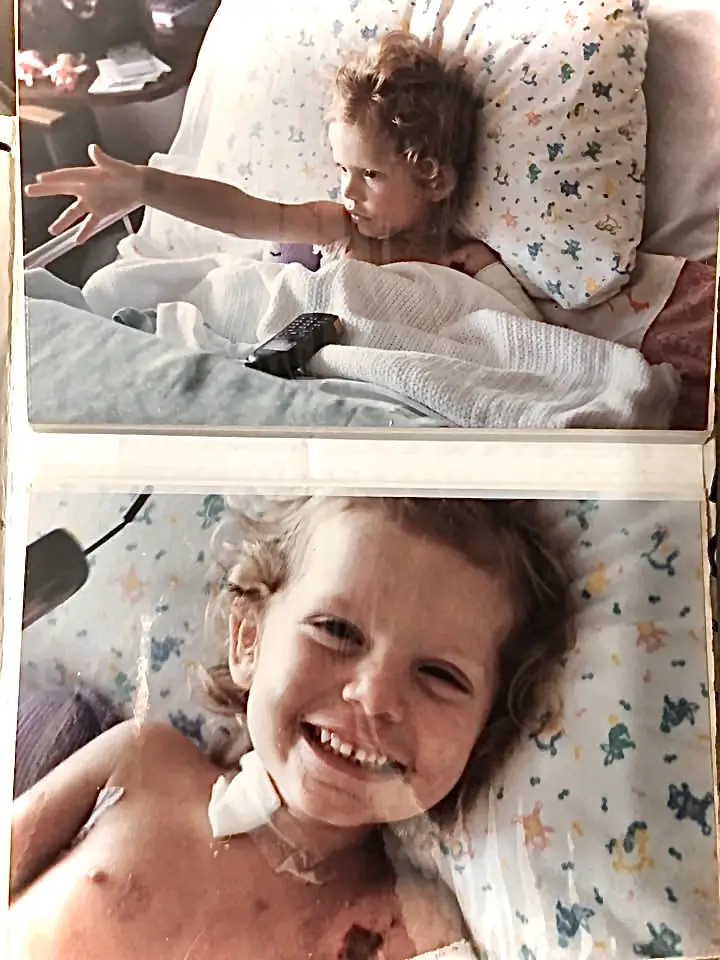
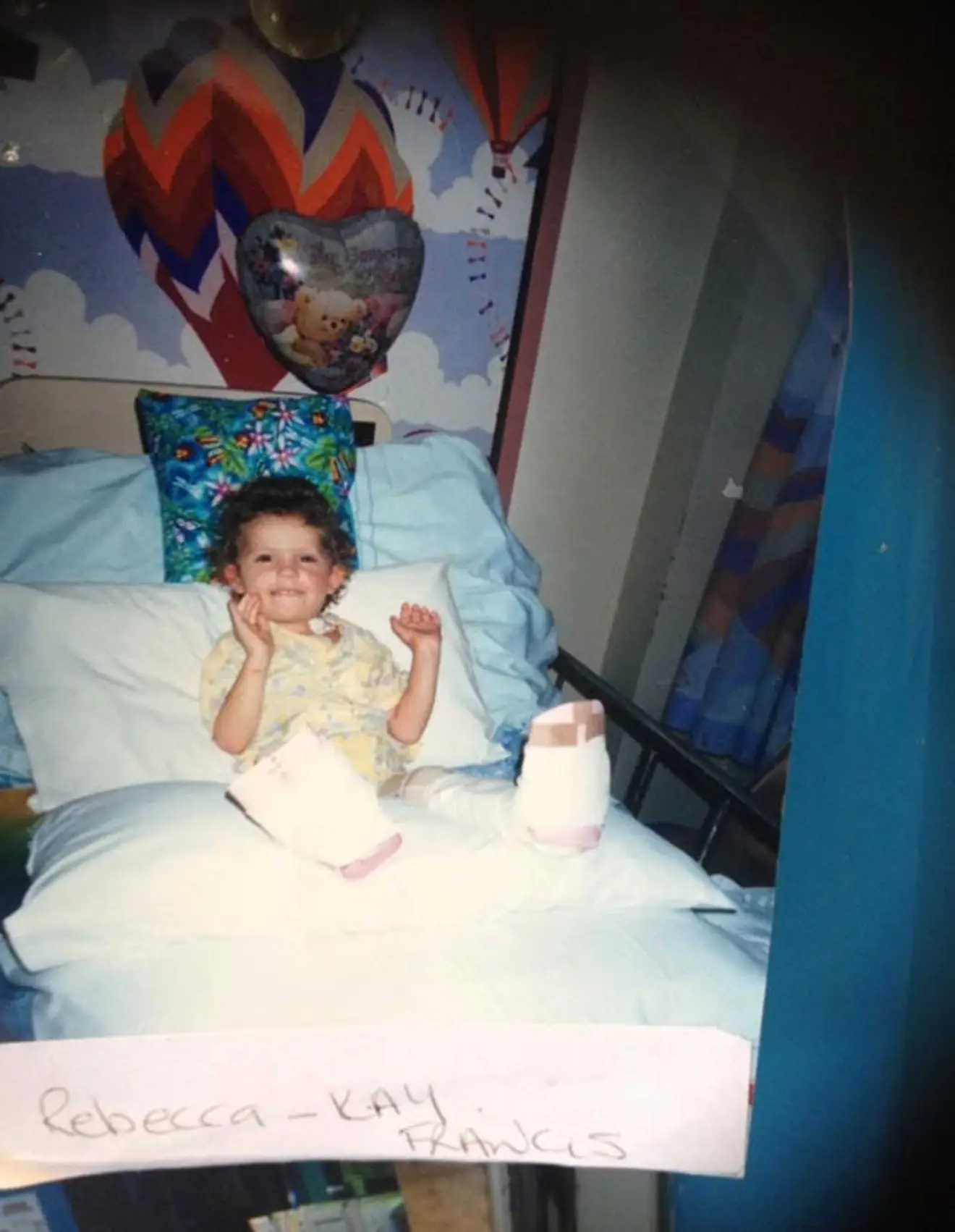
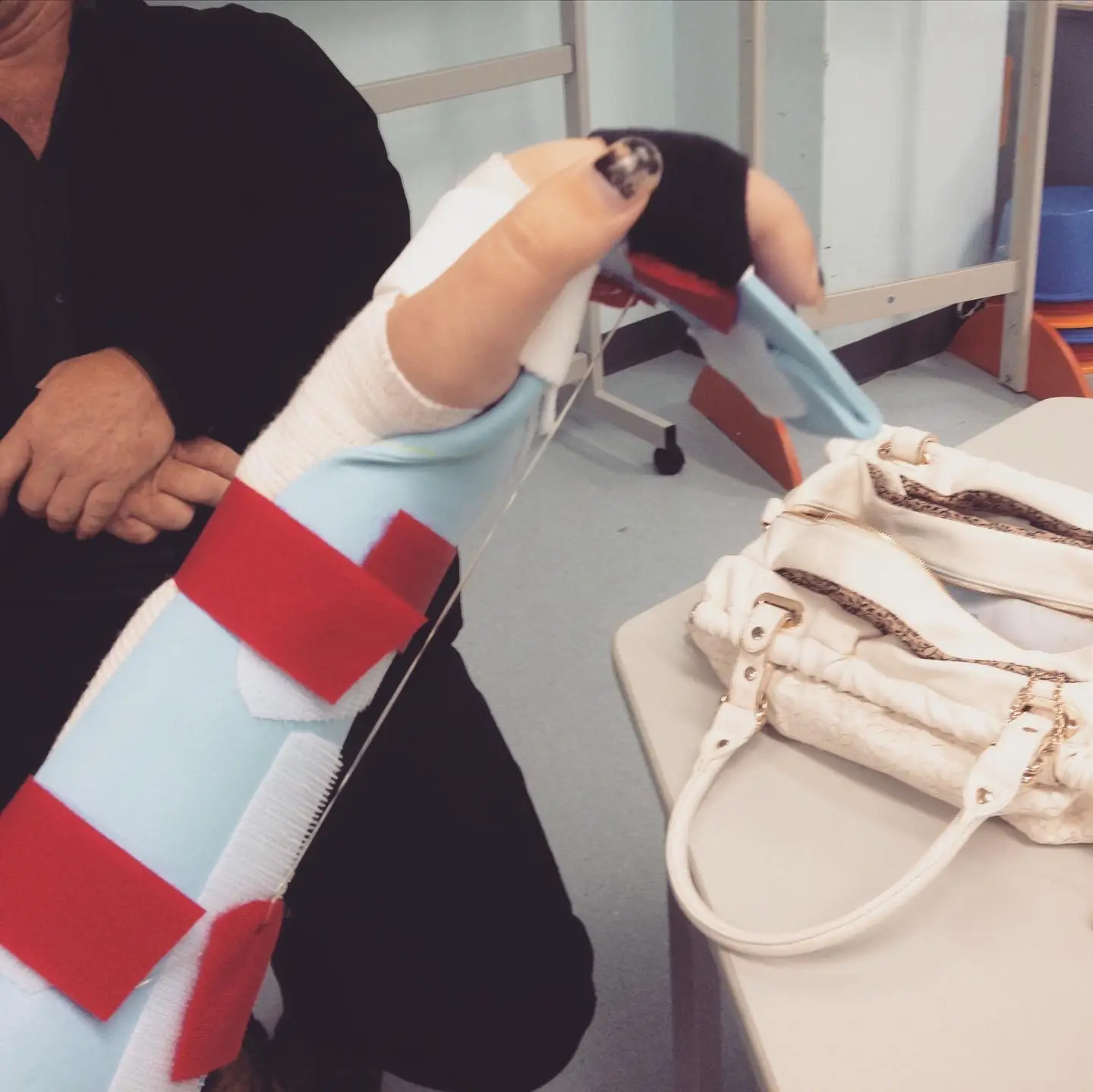
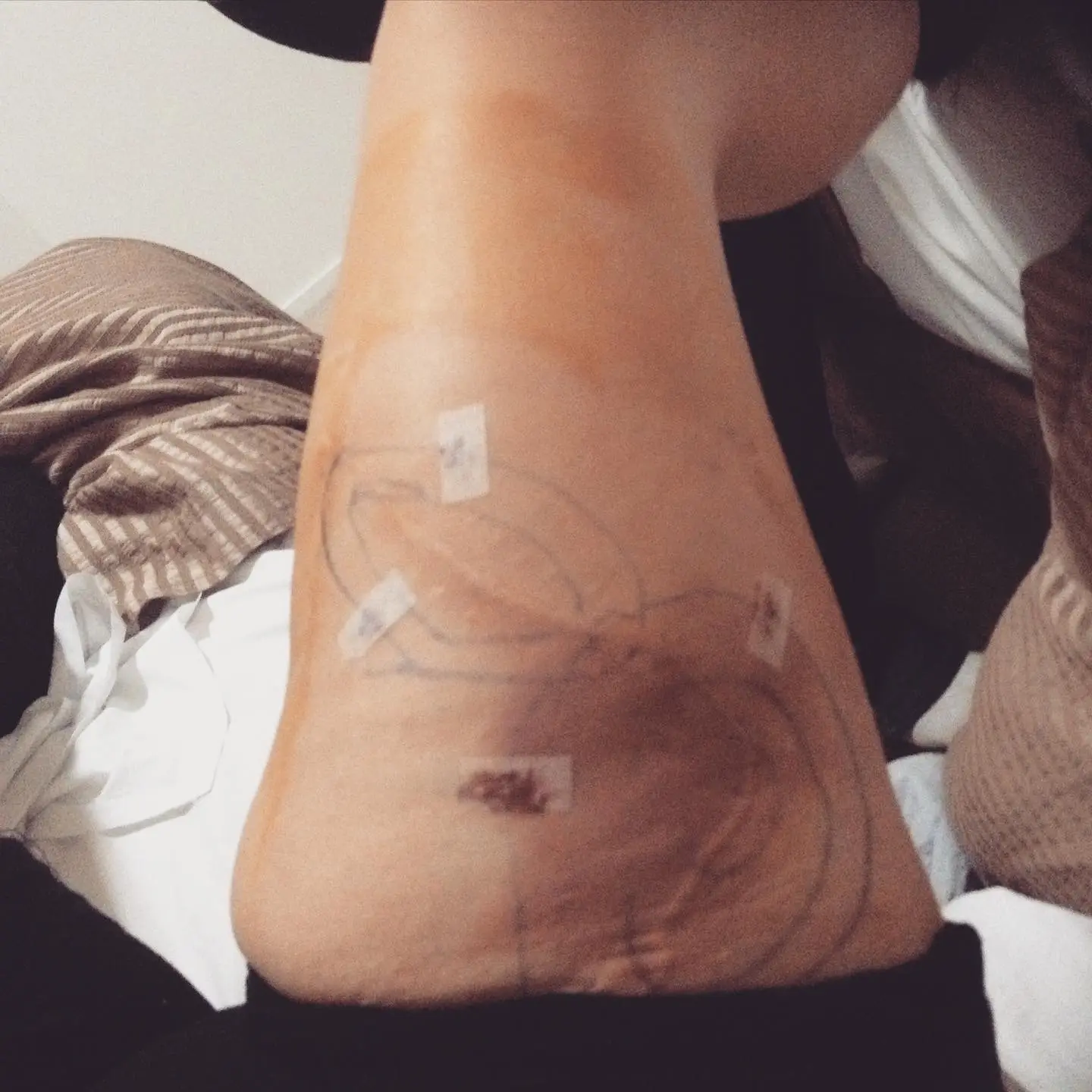
At 12, I wanted to be a doctor. A car accident had left me with a brachial plexus injury, one of many injuries that day, and only one working hand.
When my dad asked, half off-hand, how I would be a doctor like that, he didn’t mean anything by it. But I spent the next year working out a new plan.
-
Behind the camera
By 13 I was freelancing as a photographer. By 14, in 2011, I had registered my first business: Bec-Kay Photography.
As a teenager I shot and wrote for 4WD Action magazine, with at least three four-to-five-page feature spreads published, including “Rumble in the Rocks” in 2013.
-
Learning the whole business
I spent more than ten years as a working photographer: events, portraits, motorsport. Along the way I trained in business, marketing, graphic design, and hair and makeup, because every shoot needed more than a camera.
In my last few years behind the lens I built a boudoir studio that brought in more than $100,000 in a single year.
-
Living with epilepsy
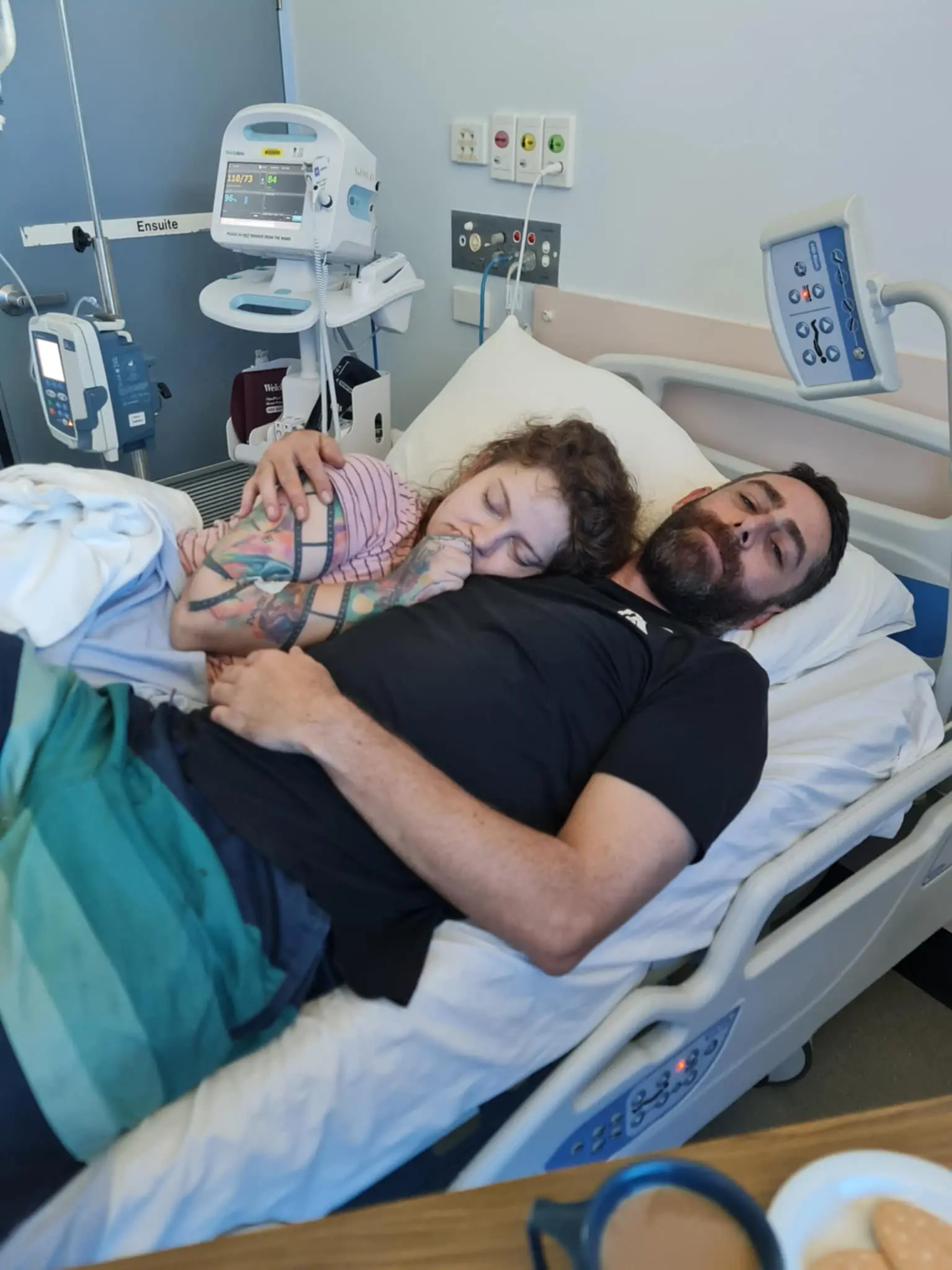
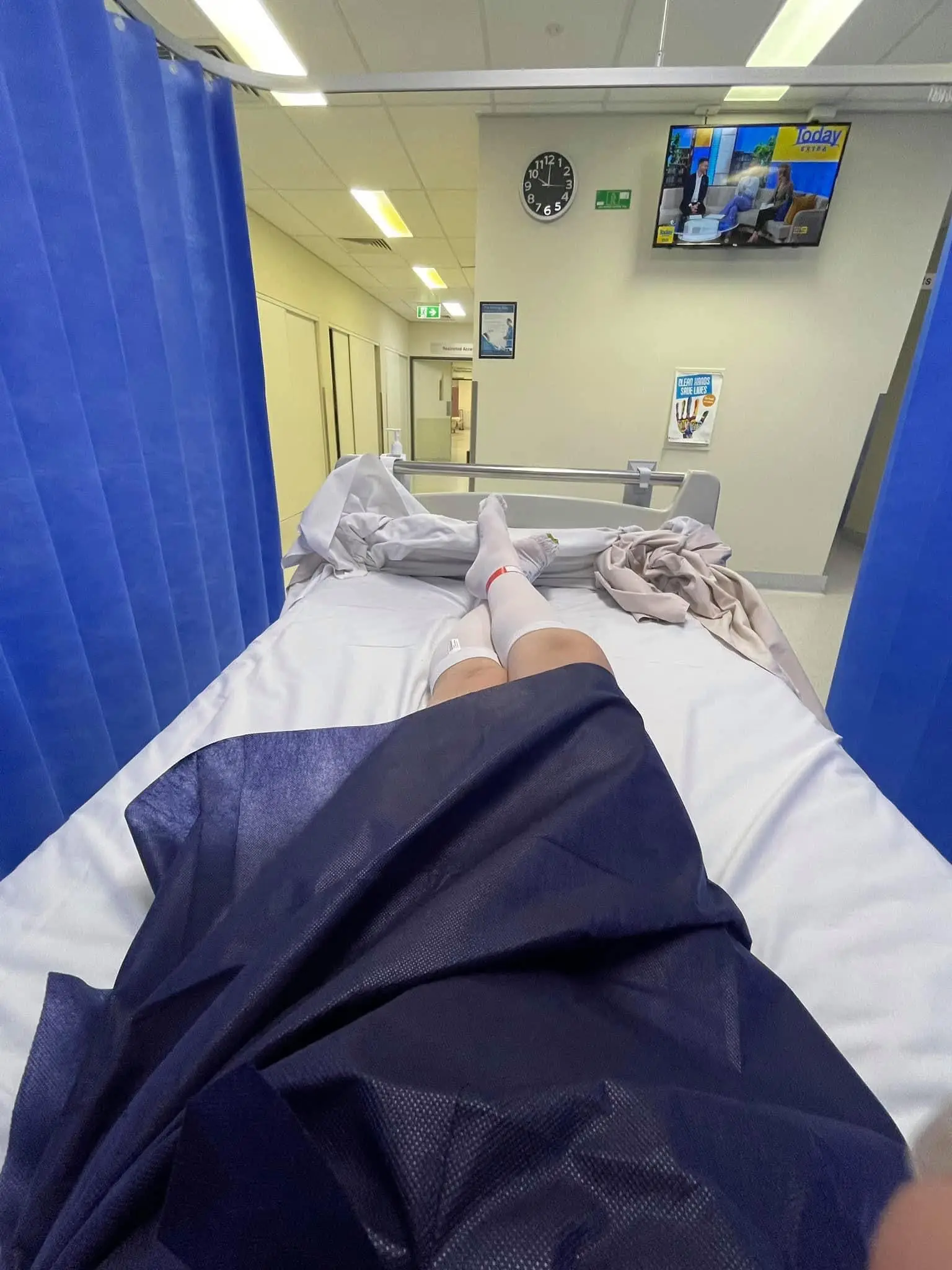
My first seizure came in early 2019, the year my son Teddy was born. A second followed soon after, and by late 2019 I had an epilepsy diagnosis. Today it is refractory epilepsy, and I have lived with it for seven years.
My seizure diary started as a list of dates in my phone’s notes app, and I lost years of tracking that way.
Then a seizure was caught on video. Watching it back, I saw what my family saw, and I started digging into my own data. That is how I found multidien rhythms: longer seizure cycles that my own seizures turned out to follow.
-
Tummy to Tots
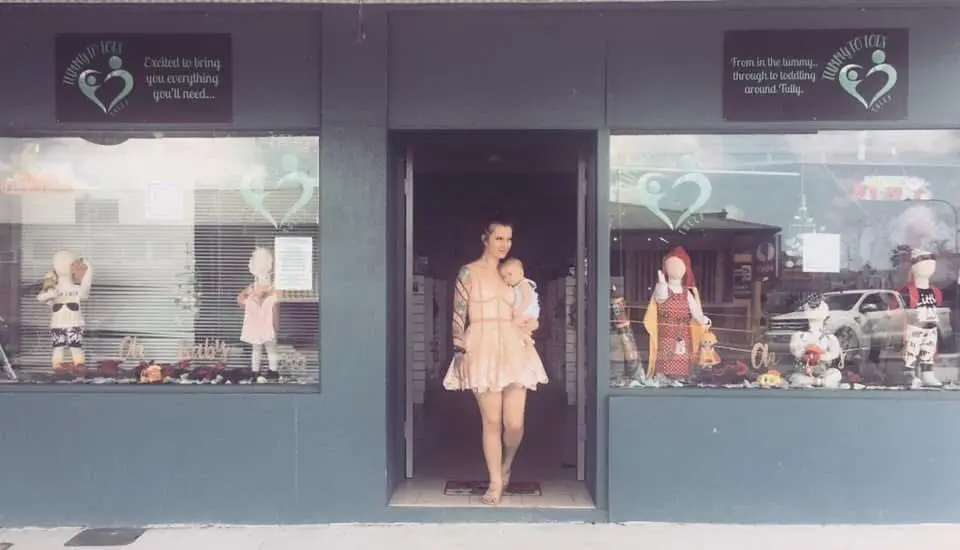
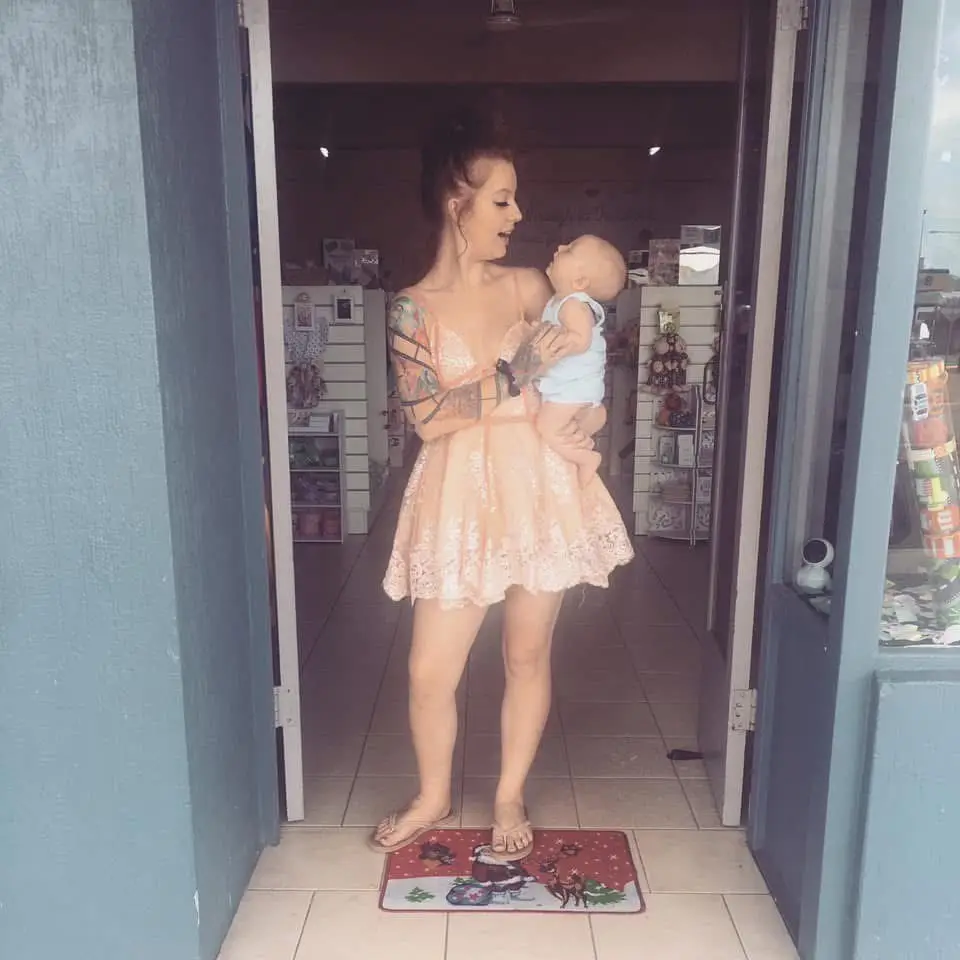
I opened a baby and toddler store in my hometown, from the bump to toddling around Tully. Within six months the numbers told me what I needed to know: locals were used to travelling or ordering online, and the shop was losing money. So I closed it.
It taught me to test demand before going all in, and to listen when the data says stop.
-
CommuniKids
When photography stopped feeling like enough, I went looking for work with more drive behind it. CommuniKids grew out of my own family’s communication needs and the gaps I saw in personalised learning.
I took it through CSIRO Innovate to Grow, the Tech Ready Women Investment Ready Program and, in 2025, JCU’s Impact10X Simulator.
-
CombineNation
CommuniKids grew into a bigger idea: an AI-driven platform bringing education, governance and family management into one system.
-
The pivot to Curalysis
Between August and October 2025, my own data showed seizure patterns that my care team could not help me act on. So I changed course and started building the tool I needed.
Curalysis began life as NeuroLoop, which is still the company name. Through the AI Pathfinder program I met Joseph Skewes, who lives with MND and became my co-founder.
-
Still heading for medicine
I never stopped wanting to be a doctor. I have started studying anatomy and physiology at La Trobe University, with a PhD on seizure rhythms as the goal.
I’m building Curalysis alongside the researchers and clinicians I once wanted to be.
Advocacy & research
Both sides of the table.
I sit on the patient side of the table and the builder side at once. I bring lived experience into research, and research back to the people living it.
- Founder in ResidenceJames Cook University
- Member, consumer advisory groupUQ RECOVER
- Member, Basic Science (Preclinical) SubgroupILAE Young Epilepsy Section Asia Oceania (YES-AO)
- Member, Adult Epilepsy SubgroupILAE Young Epilepsy Section Asia Oceania (YES-AO)
Within ILAE YES-AO I’ve proposed a cross-subgroup collaboration on multidien seizure rhythms.